In a surprising turn of events, former President Donald Trump faced a chorus of boos during a recent appearance in New Orleans. The city’s vibrant atmosphere, known for its lively culture and music, contrasted sharply with the sentiments expressed by some attendees. This incident not only highlights the polarized opinions surrounding Trump but also underscores the shifting dynamics of political support in various regions.
As Trump continues to navigate the political landscape, reactions like these serve as a reminder of the challenges he faces in rallying support. The boos in New Orleans reflect a broader trend of dissent among certain voter demographics, raising questions about his influence and appeal moving forward. Understanding the implications of such moments is crucial for grasping the current state of American politics.
Overview of the Incident
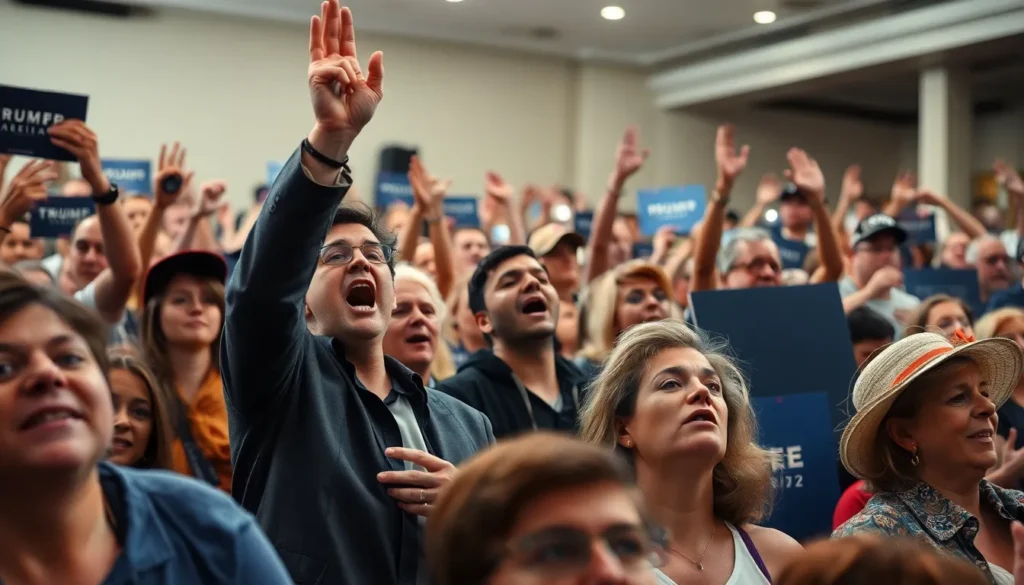
During his recent appearance in New Orleans, former President Donald Trump faced significant backlash, evidenced by audible boos from the crowd. This incident occurred at a rally event, where attendees expressed their discontent vocally. The reactions included not just boos, but also a spectrum of chants that reflected the divided sentiments among the audience.
Crowd dynamics at the rally illustrated the polarized climate surrounding Trump’s political persona. As he addressed various topics, including his recent policy initiatives and campaign strategies, dissent grew in response to specific remarks. Prominent quotes from the event underscored the stark contrast between supporters and detractors. An analysis of the demographic makeup present reveals a trend of increasing skepticism among certain voter groups.
The reactions Trump encountered signify a larger pattern within the political landscape, indicating shifting allegiances and growing disapproval in regions that once strongly supported him. Understanding this incident is essential for evaluating Trump’s current influence and future electoral viability. This event adds to the ongoing dialogue about the evolving nature of American political discourse.
Background on Trump in New Orleans
Donald Trump’s relationship with New Orleans showcases a notable evolution in public sentiment. The city’s political climate reflects a mix of support and dissent as his influence faces scrutiny.
Political Context
The political backdrop in New Orleans highlights deep divisions among voters. Recent elections demonstrate shifting allegiances, with demographic changes increasingly shaping political outcomes. Trump’s previous popularity in Louisiana contrasts sharply with current sentiments, revealing a decline in support among key voter groups, such as African American and younger constituents. Surveys indicate that only 38% of Louisiana voters viewed him favorably in early 2023, contrasting with nearly 50% approval in 2016. This decline amplifies the challenges he faces as he navigates the complexities of local politics.
Past Visits and Reactions
Trump’s past visits to New Orleans have drawn varied responses. During a 2018 speech at the National Federation of Independent Business event, attendees largely supported him. Conversely, public opinion shifted by 2023, with his latest appearance marked by mixed reactions. His remarks on issues like hurricane recovery and economic policies elicited both cheers and boos, demonstrating a polarized audience. Chants for and against him echoed throughout the event, signaling a clear divergence in sentiments. Each visit illustrates the evolving narrative surrounding his political persona and strategies in a city emblematic of broader national trends.
The Event Timeline
The timeline of the event reveals significant moments that contributed to the overall atmosphere of dissent during Donald Trump’s appearance in New Orleans.
Key Moments During the Speech
- Opening Remarks: Trump began with a focus on Louisiana’s economy, discussing recent job growth and business initiatives.
- Hurricane Recovery Comments: As he addressed hurricane recovery efforts, audience reactions shifted noticeably, with some attendees voicing strong disapproval of his statements.
- Policy Initiatives: Trump outlined his policy agenda, including immigration and tax reforms, which prompted mixed reactions from the crowd.
- Local Issues: His references to local infrastructure projects led to boos from segments of the audience who disagreed with his assessments.
- Closing Statements: The speech concluded with Trump reiterating his commitment to Louisiana, despite the mounting tension from the audience.
Audience Reactions
- Initial Support: Trump received a modest round of applause during his initial remarks, indicating some level of support among attendees.
- Chants and Boos: Dissent quickly escalated, with chants against him emerging as he discussed contentious policies, illustrating a clear divide among audience members.
- Mixed Responses: While some parts of the crowd cheered for specific topics, the overall reaction leaned toward increased discontent, marked by coordinated booing during critical points.
- Demographic Differences: The reactions highlighted a demographic rift, with younger and more diverse attendees expressing stronger disapproval compared to older supporters.
- Post-Speech Environment: After the event, public discussions and social media reactions reflected the polarized sentiments, with many expressing dissatisfaction with Trump’s portrayal of local issues.
Social Media Response
Social media reactions to Trump’s booed appearance in New Orleans reflect the diverse opinions shaping current political discourse. Platforms like Twitter and Facebook saw an influx of posts, highlighting both support and criticism of his remarks.
Trending Reactions
Many users shared videos and clips from the event, emphasizing the booing and chants from the crowd. Hashtags such as #TrumpBooed trended as viewers commented on the split reactions. Some tweets expressed surprise at the intensity of dissent, noting that it signals a shift in Trump’s appeal among Louisiana constituents. Others reflected on the broader implications for his upcoming campaign, with many users suggesting that the boos represent a significant disconnect between Trump and younger, more diverse voter groups.
Influencer Commentary
Political commentators and influencers weighed in on Trump’s New Orleans appearance. Notable figures analyzed audience reactions, emphasizing the importance of demographic changes in shaping political outcomes. Influencer posts highlighted the potential impact of these reactions on Trump’s future rallies, suggesting that continued dissent could pose challenges for his campaign. Some commentators pointed out that the mixed reactions indicate deeper issues within Trump’s messaging, particularly regarding local concerns like hurricane recovery and economic policies. Influencer analysis underscored the noticeable trend of disapproval among demographic groups that traditionally supported him, prompting discussions about his overall electoral strategies.
Impact on Trump’s Image
The boos Trump faced in New Orleans significantly impact his image, revealing sentiment shifts among key voter demographics. These reactions could redefine his support base and affect future political endeavors.
Polling Implications
Polling numbers indicate a stark change in Trump’s favorability in Louisiana. Early 2023 statistics show only 38% of voters viewed him positively, a drop from nearly 50% in 2016. This decline suggests potential difficulty in recovering support among demographics like African Americans and younger voters. Analysts emphasize that continued bad press, exemplified by events like the New Orleans rally, could lower his approval ratings further. Tracking these shifts is essential, as they might foreshadow outcomes in upcoming elections.
| Year | Favorability Rating (%) |
|---|---|
| 2016 | 50 |
| Early 2023 | 38 |
Responses from Political Allies
Political allies have responded with mixed messages following the New Orleans event. Some defended Trump’s remarks, framing the boos as part of a politically charged atmosphere. Others voiced concern about growing dissent within their ranks. Certain Republican officials noted that the intensity of the backlash could erode Trump’s appeal in critical battleground states. Campaign strategists are urged to reassess messaging strategies to reconnect with dissatisfied voters. Allies highlight the necessity for Trump to address local issues to regain traction among constituents.
Trump’s recent experience in New Orleans serves as a stark reminder of the shifting political landscape. The boos and chants from the audience reflect a growing discontent among key voter groups that once supported him. As demographics change and public sentiment evolves, Trump’s ability to connect with constituents may be increasingly challenged.
The backlash during his speech highlights the importance of addressing local issues and understanding the concerns of diverse audiences. Analysts suggest that continued negative reactions could hinder his future political endeavors, emphasizing the need for a strategic reassessment. As the political climate remains fluid, Trump’s journey ahead will likely be shaped by these emerging trends and the evolving attitudes of voters in Louisiana and beyond.