In a world where health is wealth, the demand for medical office buildings is skyrocketing faster than a caffeine-fueled intern on a Monday morning. These structures aren’t just brick and mortar; they’re the lifeblood of communities, housing everything from bustling clinics to state-of-the-art surgical centers. As healthcare evolves, so does the need for innovative and efficient spaces that cater to both patients and providers.
Building a medical office isn’t just about following blueprints. It’s a delicate dance of design, functionality, and compliance with regulations that can make even the most seasoned architect break out in a cold sweat. But fear not! With the right approach and a sprinkle of humor, the journey of constructing a medical office building can be as smooth as a well-oiled stethoscope. Let’s dive into what it takes to create these vital spaces that keep us all healthy and thriving.
Overview of Medical Office Building Construction
Medical office building construction addresses the growing need for healthcare facilities within communities. These buildings serve as essential hubs for various medical services, ensuring patient access and convenience.
Importance in Healthcare
Medical office buildings significantly enhance healthcare delivery. They provide space for primary care practices, specialty clinics, and urgent care centers. With increasing patient volumes, these facilities support streamlined services and improved patient outcomes. Proximity to hospitals often dictates the location of these buildings, allowing for efficient referral processes. Furthermore, accessibility features ensure that all patients receive care regardless of mobility challenges.
Trends in Design and Functionality
Design and functionality trends continually evolve in medical office buildings. Focus on patient-centered layouts prioritizes comfort and efficiency. Open floor plans facilitate collaboration among healthcare professionals while enhancing patient experience. Incorporation of telehealth capabilities reflects the shift towards remote care. Sustainability features, such as energy-efficient systems and eco-friendly materials, are gaining traction, aligning with broader environmental goals. Technological integration streamlines operations and supports innovative care delivery models.
Key Components of Medical Office Buildings
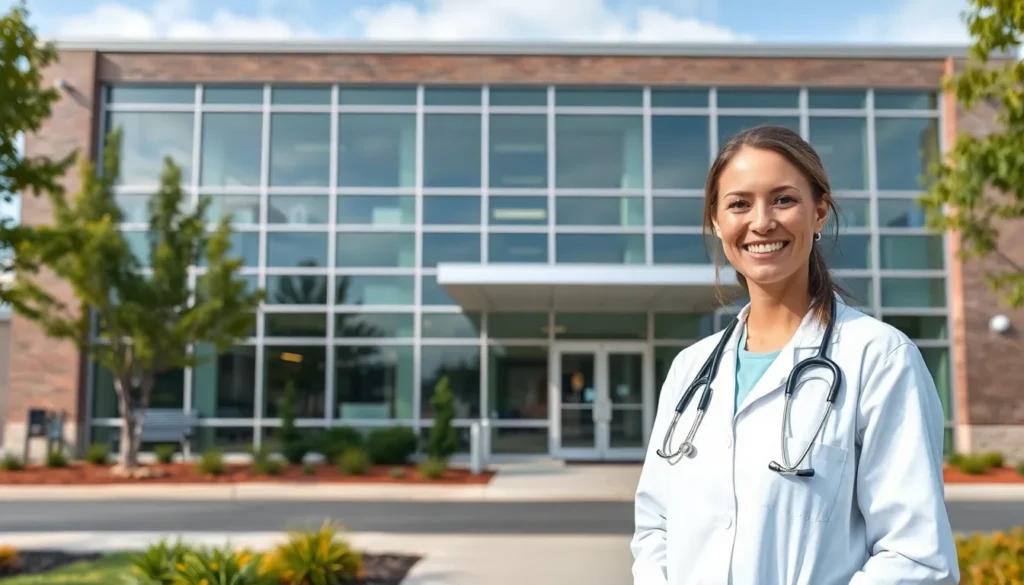
Medical office buildings encompass various essential elements ensuring both functionality and aesthetics. Understanding these components aids in creating effective healthcare environments.
Architectural Considerations
Architectural design plays a significant role in medical office buildings. Thoughtful layouts enhance patient flow and accessibility. Waiting areas often include comfortable seating arrangements, creating a welcoming atmosphere. Natural light maximizes well-being, while soundproofing minimizes distractions. Designing flexible spaces accommodates evolving healthcare needs, supporting future expansions or modifications. Accessibility features comply with ADA standards, ensuring services reach all patients.
Compliance with Regulations
Compliance with regulations is crucial in medical office building construction. Federal, state, and local guidelines dictate design, safety, and health standards. Building codes establish requirements for structural integrity and fire safety. Health codes govern sanitation and patient privacy measures, safeguarding sensitive information. Zoning laws influence the location and intended use of facilities. Regular consultations with compliance experts ensure adherence to these regulations throughout the construction process. Prioritizing compliance not only mitigates risks but also ensures a seamless operational launch.
Project Management in Medical Office Building Construction
Effective project management ensures successful medical office building construction, focusing on streamlined processes and coordinated efforts.
Planning and Budgeting
Planning involves thorough assessments to identify needs and set objectives for medical office construction. Establishing a detailed budget is crucial, as it includes costs for design, materials, labor, and permits. Accurate estimates minimize the risk of overspending and ensure resources align with expectations. Stakeholders must review and adjust budgets regularly to accommodate unexpected changes. Engaging experienced architects and contractors aids in refining plans and efficient allocation of funds. Consistent communication among team members keeps everyone informed and on track.
Risk Management Strategies
Risk management plays a vital role in safeguarding medical office construction projects. Identifying potential risks, such as delays, cost overruns, and compliance issues, allows proactive measures to address them. Regular risk assessments enable project managers to adapt strategies based on evolving circumstances. Implementing contingency plans helps mitigate impacts of unforeseen challenges. Collaborating with experienced legal and compliance experts ensures adherence to local regulations and minimizes liabilities. Proactive risk management ultimately fosters a smoother construction process and enhances project success.
Sustainability in Medical Office Building Construction
Sustainability increasingly plays a crucial role in medical office building construction. Incorporating eco-friendly practices not only enhances overall design but also supports health initiatives.
Green Building Practices
Utilizing efficient systems defines modern green building practices. Energy-efficient HVAC systems significantly reduce energy consumption. Implementing renewable energy sources like solar panels contributes to long-term financial savings. Water-conservation measures, such as low-flow fixtures, minimize waste without sacrificing comfort. Incorporating sustainably sourced materials reduces environmental impact and enhances building performance. Strong emphasis on site selection further promotes sustainability by ensuring that buildings are located near public transportation and essential services.
Benefits of Sustainable Design
Sustainable design offers numerous benefits that extend beyond environmental impact. Enhanced patient satisfaction emerges through improved indoor air quality and natural lighting. Lower operational costs result from energy-efficient systems, providing healthcare facilities with financial flexibility. Positive community perceptions develop when buildings embody eco-conscious values, attracting more patients and partnerships. Furthermore, sustainable designs often meet regulatory requirements and can expedite the approval process. Long-term durability of sustainable materials ensures lower maintenance needs and fosters a healthier environment for both patients and staff.
Medical office building construction is a vital aspect of modern healthcare infrastructure. As demand continues to rise these facilities must be thoughtfully designed to enhance patient care and operational efficiency. By focusing on sustainability and innovative design elements healthcare providers can create spaces that not only meet regulatory standards but also foster a welcoming environment for patients.
Effective project management and collaboration with experienced professionals are key to navigating the complexities of construction. With the right approach medical office buildings can significantly improve healthcare delivery while contributing positively to the community. As the landscape of healthcare evolves staying ahead of trends and embracing new technologies will ensure these facilities remain relevant and functional for years to come.