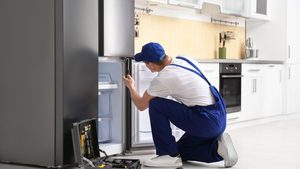
Standing water in the bottom of a dishwasher is one of the most frustrating appliance failures. If a Hotpoint dishwasher isn’t draining, it’s usually because of a simple clog or blocked component, not a catastrophic failure. Most homeowners can diagnose and fix the issue in under an hour with basic hand tools and no prior appliance repair experience. This guide walks through the most common causes, step-by-step fixes, and when it’s time to call in a pro.
Table of Contents
ToggleKey Takeaways
- A Hotpoint dishwasher not draining is usually caused by a clogged filter, kinked hose, or obstructed pump—not a catastrophic failure—and most homeowners can fix it in under an hour.
- Start with the easiest fix: clean the cylindrical filter at the tub bottom monthly to prevent standing water and ensure proper drainage.
- Inspect the drain hose for kinks and sags that trap water; the hose should rise in a high loop before descending to prevent backflow and drainage problems.
- If the dishwasher was recently installed with a new garbage disposal, check for and remove the knockout plug blocking the drain port—a common installation oversight.
- Call a professional if the drain pump motor doesn’t activate, the control board skips the drain cycle, or you’re uncomfortable working with electrical components.
- Replace aging drain hoses over 10 years old, as they may have collapsed internally; universal replacement hoses cost under $15 and prevent future drainage issues.
Why Your Hotpoint Dishwasher Won’t Drain
A dishwasher that won’t drain usually points to a blockage somewhere in the system, not a failed pump or motor. The drain path runs from the tub through a filter, down into a pump chamber, and out through a hose that connects to either the garbage disposal or a drain line under the sink.
Common culprits include:
- Clogged filter: Food particles, glass shards, or labels accumulate in the cylindrical filter at the tub bottom.
- Kinked or blocked drain hose: The ribbed hose can sag, kink, or collect grease buildup over time.
- Obstructed drain pump: Small objects (toothpicks, twist ties, bone fragments) can jam the impeller inside the pump housing.
- Garbage disposal knockout plug: If the dishwasher was recently installed and connects to a new disposal, the knockout plug may still be in place, blocking the drain port.
- Air gap blockage: Homes with an air gap (a small chrome cylinder on the sink or countertop) can develop clogs in that fitting.
Hotpoint dishwashers use a drain pump activated at the end of each cycle. If the pump runs but water remains, the blockage is downstream. If the pump doesn’t activate at all, the issue may be electrical, though that’s less common.
Before starting any work, disconnect power at the breaker or unplug the unit. Most dishwashers are hardwired, so flipping the breaker labeled “dishwasher” is the safest move. Wear rubber gloves and have towels and a shallow pan ready for standing water.
Check and Clean the Dishwasher Filter
The filter is the first place to look. Hotpoint models use a cylindrical or flat mesh filter assembly located in the tub floor, typically under the lower spray arm.
Tools needed:
- None (hand removal)
- Soft brush or old toothbrush
- Dish soap
Steps:
- Remove the lower dish rack to access the tub floor.
- Twist and lift the filter assembly. Most Hotpoint filters have a cylindrical outer filter and a fine mesh inner screen. Some models require a quarter-turn counterclockwise: others lift straight out. Consult the user manual if it’s not immediately obvious.
- Inspect for debris. Look for food buildup, broken glass, or foreign objects. Even a thin film of grease can restrict flow.
- Rinse under hot running water. Use a soft brush and a drop of dish soap to scrub both the mesh and the cylindrical housing. Avoid steel wool or abrasive pads, these can damage the mesh.
- Check the sump area (the round opening where the filter sits). Remove any visible debris with a damp cloth or paper towel.
- Reinstall the filter by reversing the removal process. Make sure it seats fully and locks into place. A loose filter can cause poor drainage and noisy operation.
A clogged filter is often enough to cause standing water, especially if the dishwasher hasn’t been cleaned in several months. Hotpoint recommends cleaning the filter monthly under normal use, or weekly if the household pre-rinses dishes minimally.
Inspect the Drain Hose for Clogs and Kinks
The drain hose is a corrugated plastic or rubber tube, usually 5/8-inch or 7/8-inch inner diameter, that runs from the dishwasher pump to the sink drain or garbage disposal.
Tools needed:
- Adjustable wrench or slip-joint pliers
- Bucket or shallow pan
- Flashlight
- Wire coat hanger or drain snake (optional)
Steps:
- Locate the drain hose under the sink. It’s secured to the side of the garbage disposal or to a drain tailpiece with a hose clamp.
- Check for visible kinks or sags. The hose should rise in a high loop (typically secured to the underside of the countertop) before descending to the drain. This prevents backflow. If the hose sags below the level of the drain connection, it can trap water and debris.
- Disconnect the hose at the disposal or drain connection. Loosen the hose clamp with pliers, then pull the hose off. Have a bucket ready, standing water will spill out.
- Inspect the hose interior. Shine a flashlight through it. Grease, soap scum, and food particles often build up in the corrugated ridges. If the hose is clogged, try flushing it with hot water in a laundry sink or outside. A straightened wire coat hanger can help dislodge stubborn blockages.
- Check the dishwasher connection at the pump outlet (accessed by removing the lower front panel). Make sure the hose is firmly attached and the clamp is tight.
- Reconnect the hose with the clamp, ensuring a high loop is maintained.
Many common dishwasher drainage problems stem from improper hose installation or aging hoses that have collapsed internally. If the hose is more than 10 years old or shows cracks, replace it with a new universal dishwasher drain hose (available at any hardware store for under $15).
Clear the Drain Pump and Remove Obstructions
If the filter and hose are clear but the dishwasher still won’t drain, the drain pump itself may be obstructed or failed.
Tools needed:
- Screwdriver (Phillips or Torx, depending on model)
- Towels and shallow pan
- Needle-nose pliers or tweezers
Steps:
- Access the pump housing. Remove the lower dish rack and the filter assembly. In most Hotpoint models, the pump cover is a round plastic cap in the sump area. Some models require removing screws: others twist off.
- Remove standing water from the tub using a sponge, wet-dry vac, or shallow cup. This makes the next steps less messy.
- Inspect the pump impeller. The impeller is a small plastic propeller that spins to push water out. Shine a flashlight into the pump chamber and look for obstructions: toothpicks, small bones, twist ties, or glass shards are common. Use needle-nose pliers or tweezers to remove any debris.
- Manually rotate the impeller with a finger or a small screwdriver. It should spin freely. If it’s stiff or locked, there may be an obstruction you can’t see. Some blockages require removing the pump assembly entirely, a more involved repair that may warrant a service call.
- Reassemble the pump cover and filter, making sure everything locks into place.
- Run a rinse cycle to test drainage.
If the impeller spins freely and there’s no obstruction, but the pump doesn’t activate during a cycle, the pump motor may have failed. Replacement pumps for Hotpoint dishwashers cost between $80 and $150, plus labor if a technician installs it. DIY appliance repairs can save several hundred dollars, but replacing a pump requires moderate skill and comfort working with electrical connections.
Test the Garbage Disposal Connection
If the Hotpoint dishwasher drains into a garbage disposal, two issues can block flow: a knockout plug that wasn’t removed during installation, or a clogged disposal.
Tools needed:
- Flashlight
- Hammer and screwdriver (if knockout plug is present)
- Hex wrench or disposal wrench (usually 1/4-inch, often included with the disposal)
Steps:
- Check the disposal inlet. Shine a flashlight into the side port where the dishwasher hose connects. There should be an open passage. If a thin plastic disc (the knockout plug) is blocking the port, it must be removed.
- Remove the knockout plug (if present). Disconnect the drain hose from the disposal. Insert a screwdriver into the port from the inside of the disposal and tap it with a hammer to punch out the plug. Retrieve the plug from inside the disposal, don’t let it fall down the drain line.
- Run the disposal. Turn on cold water and run the disposal for 15-20 seconds. A clogged disposal can back up into the dishwasher drain line, preventing drainage. If the disposal grinds slowly or doesn’t drain, clear it before re-testing the dishwasher.
- Check for a clog at the drain connection. Even with the knockout removed, grease and food can build up at the inlet. Disconnect the hose and use a small bottle brush or a straightened coat hanger to clear the port.
- Reconnect the hose with a hose clamp.
Most dishwasher repair issues tied to disposals are installation errors or neglected disposal maintenance. If you’ve recently replaced the disposal and the dishwasher won’t drain, the knockout plug is almost always the culprit.
When to Call a Professional
Most Hotpoint dishwasher drainage problems are DIY-fixable, but a few scenarios warrant calling an appliance repair technician:
- The drain pump motor has failed. If the pump doesn’t hum or activate during the drain cycle, and you’ve ruled out obstructions, the motor or its wiring may be faulty. Diagnosing electrical issues requires a multimeter and familiarity with appliance wiring.
- The control board isn’t sending a drain signal. If the dishwasher completes the wash cycle but skips the drain cycle entirely, the electronic control board may be malfunctioning. Control board replacement is a $200–$400 repair.
- There’s a defective check valve. Some models use a check valve to prevent backflow. A stuck or broken valve can cause drainage issues that mimic a clogged pump.
- You’re uncomfortable working under the sink or inside the appliance. There’s no shame in calling a pro. A service call typically costs $100–$150 for diagnosis, plus parts and labor.
If the dishwasher is more than 10 years old and requires a major component replacement (pump, control board, or motor), consider the cost of repair versus replacement. A new dishwasher ranges from $400 to $1,200 installed, depending on features and efficiency ratings.
Safety note: Never attempt electrical testing or component replacement without disconnecting power at the breaker. Water and electricity are a dangerous combination.
Conclusion
A Hotpoint dishwasher that won’t drain is almost always fixable with a clean filter, clear hose, and obstruction-free pump. Work methodically through each component, starting with the easiest fixes first. Most homeowners can solve the problem in an hour or less with basic hand tools and a little patience. If DIY troubleshooting doesn’t restore drainage, a qualified appliance tech can diagnose electrical or mechanical failures that require specialized parts or tools.