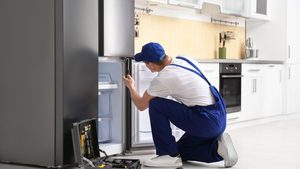
The KitchenAid Superba refrigerator series earned a solid reputation from the late 1990s through the mid-2000s, and many of these units are still running in homes across the country. If you’ve inherited one with a house purchase or have been nursing yours along for years, you’re dealing with an appliance that predates the smart-fridge era but was built with robust components. This guide walks through the most common issues owners face, practical troubleshooting steps you can tackle yourself, and how to keep your Superba running efficiently until you’re ready for an upgrade.
Table of Contents
ToggleKey Takeaways
- The KitchenAid Superba refrigerator, produced between 1998 and 2007, features durable construction and widely available replacement parts, making DIY repairs practical for owners maintaining these aging appliances.
- Common temperature issues and ice maker malfunctions can often be resolved through simple troubleshooting like cleaning condenser coils, replacing water filters, and testing the evaporator fan without professional service.
- Regular maintenance every 3–6 months—including coil cleaning, gasket inspection, and drain tube flushing—can extend your Superba’s lifespan by several years and prevent costly emergency repairs.
- Replacement parts for the KitchenAid Superba are readily sourced from online retailers and local appliance suppliers, with most common repairs (gaskets, fan motors, water inlet valves) costing $25–$120.
- When compressor failure or sealed system leaks occur, replacement costs typically exceed $600–$800, making a new refrigerator a more practical investment than repair on a 20-year-old unit.
What Is the KitchenAid Superba Refrigerator?
The KitchenAid Superba was a mid-to-upper-tier refrigerator line produced primarily between 1998 and 2007, before Whirlpool consolidated branding and phased out the Superba designation. These units came in side-by-side and bottom-freezer configurations, typically ranging from 22 to 25 cubic feet in capacity. Most models featured through-the-door ice and water dispensers, adjustable glass shelving, and external electronic temperature controls.
Key model numbers include the KSRS25, KSCS25, and KBFS22 series. All Superba refrigerators were built in Whirlpool factories and share many internal components with contemporaneous Whirlpool and Maytag models, which simplifies parts sourcing today.
These refrigerators used R-134a refrigerant and conventional compressor systems, no inverter technology. Build quality was generally solid, with metal evaporator coils and heavy-duty door hinges. But, after 15–20 years, wear on seals, fan motors, and control boards becomes common. Replacement parts are still widely available through appliance parts suppliers, though some trim pieces and handles have been discontinued.
Common Problems and DIY Troubleshooting Solutions
Temperature Issues and Cooling Failures
Symptom: Fridge compartment too warm, or freezer icing over while fridge stays warm.
Likely causes: Blocked air vents, failed evaporator fan, or defrost system malfunction.
Troubleshooting steps:
- Check air circulation. Remove items blocking the vents at the back of the fridge compartment. These vents allow cold air from the freezer to flow into the fridge. On side-by-side models, vents are usually along the center divider.
- Inspect the evaporator fan. Open the freezer and listen for a quiet hum when the compressor runs. If silent, the evaporator fan motor may have failed. Access requires removing the back panel inside the freezer (unplug the unit first). Fan motors cost $40–$80 and mount with two screws and a plug-in connector.
- Test the defrost system. If frost buildup covers the evaporator coils (behind the freezer back panel), the defrost heater or defrost timer may be faulty. Manually advance the defrost timer (usually located behind the lower grille or inside the control housing) by turning the dial with a flathead screwdriver until you hear a click. If the heater doesn’t warm up within 10 minutes, replace the heater element.
- Check door seals. Close the door on a dollar bill. If it pulls out easily, the gasket needs replacement. Gaskets are model-specific: have your full model number ready when ordering.
When to call a pro: If the compressor is hot to the touch but not running, or if you hear clicking without startup, the compressor relay or start capacitor may be failing. Compressor replacement is rarely cost-effective on a 20-year-old unit.
Ice Maker and Water Dispenser Malfunctions
Symptom: No ice production, slow ice, or water dispenser dripping/not working.
Likely causes: Frozen water line, clogged filter, failed inlet valve, or defective ice maker module.
Troubleshooting steps:
- Replace the water filter. Superba models use either the 4396508 or 4396510 filter. A clogged filter restricts flow and causes slow ice or weak dispenser pressure. Filters should be changed every six months.
- Inspect the water inlet valve. Located at the back lower corner of the fridge, this valve controls water flow to the ice maker and dispenser. Unplug the unit, disconnect the water line, and test the valve with a multimeter (should read 200–500 ohms). If open or shorted, replace it ($30–$50).
- Check for frozen fill tube. If the ice maker fills slowly or not at all, the fill tube (a small plastic tube leading into the ice maker) may be frozen. Thaw it with a hairdryer on low heat (unplug the fridge first).
- Test the ice maker module. If the ice maker doesn’t cycle, locate the test button (usually a small hole or tab on the module). Press and hold for 3 seconds. The module should cycle and eject ice within 5–10 minutes. If not, replace the module ($60–$100).
- Clear the dispenser chute. Ice can bridge in the chute and block dispensing. Remove the ice bin and break up any clumps.
Safety note: Always unplug the refrigerator and shut off the water supply before working on water or ice maker components.
When to call a pro: If the dispenser control board (the user interface panel) is unresponsive or shows error codes, replacement requires disassembly of the door and wiring harness work.
Essential Maintenance Tips to Extend Your Superba’s Lifespan
Regular maintenance can add years to an aging Superba and prevent expensive emergency repairs.
Every 3–6 months:
- Clean the condenser coils. These coils sit behind the lower grille or at the back of the unit. Dust and pet hair reduce efficiency and force the compressor to work harder. Use a coil brush ($10–$15) or vacuum with a brush attachment. On rear-coil models, pull the fridge out for access.
- Inspect door gaskets. Wipe down seals with warm, soapy water and check for cracks or tears. A poor seal increases energy use and stresses the compressor.
- Check the drain pan and tube. The defrost drain tube (runs from the freezer floor to the drain pan under the fridge) can clog with debris. Flush it with warm water and a few drops of dish soap. A clogged drain causes water pooling inside the fridge.
Annually:
- Test the door alignment. Loose hinges cause uneven gaps and poor sealing. Tighten hinge screws and adjust door height using the leveling bolts at the base.
- Vacuum the fan motors. If accessible, gently vacuum the condenser fan (behind the lower grille) and evaporator fan (inside the freezer compartment).
- Replace water filter. Even if water flow seems fine, mineral buildup inside the filter reduces ice quality and can damage the inlet valve.
General best practices:
- Keep the fridge at 37°F and the freezer at 0°F. Use an appliance thermometer to verify settings.
- Don’t overload shelves. Blocking airflow forces the unit to run longer cycles.
- Allow 1–2 inches of clearance on sides and back for airflow if the coils are rear-mounted.
Many modern counter-depth refrigerators feature improved insulation and variable-speed compressors, but a well-maintained Superba can still compete on reliability.
Finding Replacement Parts and Repair Resources
Parts availability is solid for Superba models, thanks to shared components across Whirlpool, KitchenAid, and Maytag brands.
Where to order parts:
- RepairClinic.com and AppliancePartsPros.com carry OEM (original equipment manufacturer) parts and offer model-specific diagrams.
- SearsPartsDirect.com maintains a large inventory and provides exploded-view diagrams for disassembly.
- Local appliance parts stores often stock common items like door gaskets, water filters, and thermostats.
Finding your model number:
The model and serial number tag is typically located inside the fridge compartment, along the upper left or right wall. You’ll need the full model number (e.g., KSRS25FGBL01) to ensure correct parts fitment.
Repair manuals and schematics:
- Whirlpool’s service manual library (available through parts suppliers or appliance repair forums) includes wiring diagrams and diagnostic flowcharts.
- YouTube channels like ApplianceJunk and RepairClinic have model-specific repair videos.
- Enthusiast forums such as ApplianceBlog.com and DIYChatroom.com host threads on Superba-specific issues.
Common replacement parts and costs:
- Door gasket: $60–$120
- Evaporator fan motor: $40–$80
- Ice maker module: $60–$100
- Water inlet valve: $30–$50
- Defrost heater: $25–$50
- Condenser fan motor: $40–$70
- Temperature control thermostat: $30–$60
When a repair doesn’t make sense:
If the compressor fails or the sealed refrigeration system develops a leak, repair costs often exceed $600–$800. On a 20-year-old unit, replacement is usually the better investment. Kitchen appliance trends and technology have advanced significantly since the Superba era, with modern units offering better energy efficiency and quieter operation.
DIY difficulty levels:
- Easy: Water filter replacement, cleaning coils, thermostat adjustment.
- Moderate: Gasket replacement, ice maker module swap, fan motor replacement.
- Advanced: Defrost system diagnosis, control board replacement, sealed system work (requires EPA certification for refrigerant handling).
Always wear safety glasses when working inside appliances, and use insulated tools when testing electrical components. If you’re not comfortable working with 120V wiring, hire a licensed appliance repair technician.
Conclusion
A KitchenAid Superba refrigerator that’s lasted 15–20 years has already delivered solid value, and with basic maintenance and the occasional part swap, many owners can squeeze out a few more years. Focus on the fundamentals, clean coils, fresh filters, and good airflow, and you’ll avoid most emergency breakdowns. When repairs start stacking up or energy bills climb, it’s time to shop for a replacement, but until then, these workhorses are worth keeping around.