When the temperature rises or drops, a well-functioning HVAC system is crucial for comfort. Unfortunately, like any complex system, HVAC units can encounter issues that require timely repair. Understanding the common problems and solutions can save homeowners from costly breakdowns and ensure their indoor environment remains pleasant year-round.
HVAC repair isn’t just about fixing what’s broken; it’s about maintaining efficiency and prolonging the lifespan of the system. Regular maintenance and prompt attention to minor issues can prevent major malfunctions down the line. By recognizing the signs that indicate a need for repair, homeowners can take proactive steps to keep their systems running smoothly.
Understanding HVAC Repair
HVAC repair plays a crucial role in maintaining indoor comfort throughout various seasons. Recognizing the components and significance of HVAC systems ensures efficient operation and longevity.
What is HVAC?
HVAC stands for Heating, Ventilation, and Air Conditioning. It encompasses systems designed to regulate indoor environments’ temperature, humidity, and air quality. HVAC systems include various components such as furnaces, air conditioners, heat pumps, ductwork, and thermostats. These elements work together to provide optimal comfort in residential and commercial spaces. A well-functioning HVAC system contributes to energy efficiency, which can lower utility bills and minimize environmental impact.
Importance of HVAC Repair
Timely HVAC repair is essential for several reasons:
- Preserving Efficiency: Regular repairs maintain system efficiency, reducing energy consumption and operational costs.
- Extending Lifespan: Addressing minor issues promptly prevents significant problems, extending the equipment’s lifespan.
- Ensuring Comfort: Efficient HVAC systems provide consistent indoor temperatures, enhancing comfort for occupants.
- Improving Air Quality: Regular maintenance and repairs remove contaminants and improve indoor air quality.
- Preventing Breakdowns: Proactive repairs decrease the likelihood of unexpected system failures, minimizing inconvenience and costs.
Understanding the intricacies of HVAC repair empowers homeowners to make informed decisions and maintain their systems effectively.
Common HVAC Issues
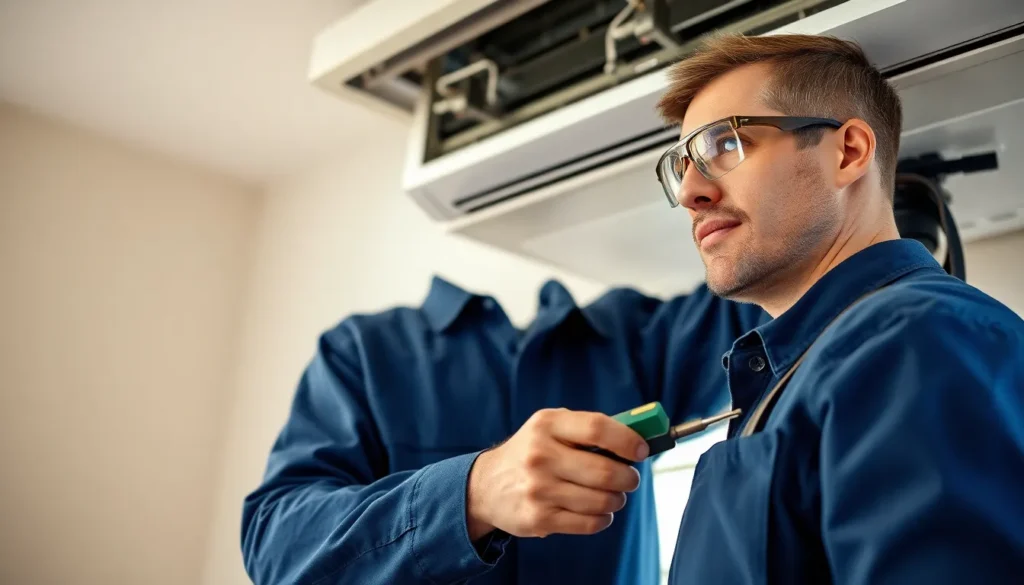
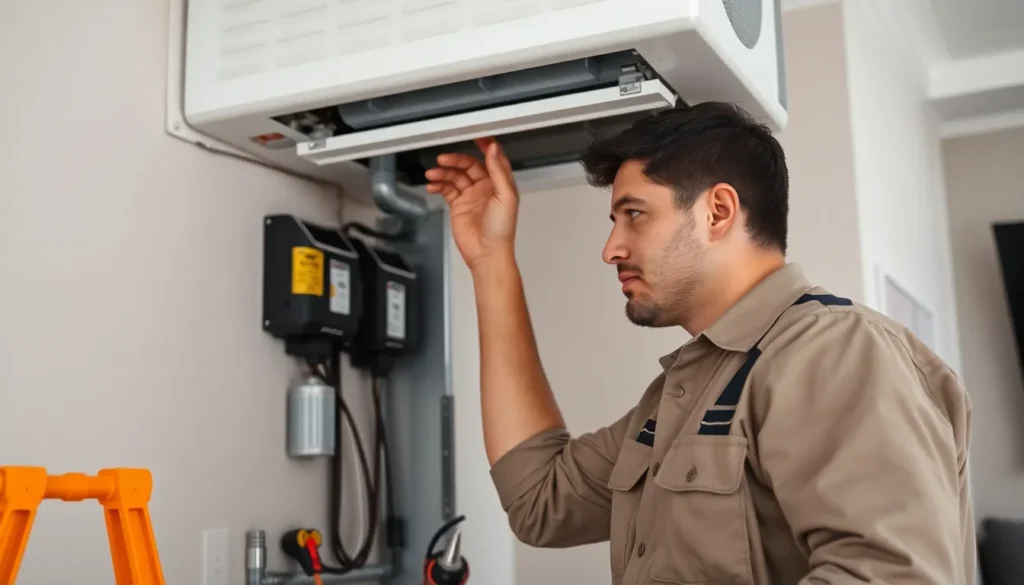
HVAC systems encounter several issues that can disrupt performance and comfort. Identifying these problems early can prevent costly repairs and enhance system longevity.
Identifying Problems
Identifying HVAC problems involves regular observation and maintenance. Technicians often look for these issues:
- Unusual Noises: Rattling or grinding sounds may indicate loose or damaged components.
- Inconsistent Temperature: Hot or cold spots in the home can suggest issues with ducts or thermostats.
- Strange Odors: Musty or burning smells often signal problems with filters or electrical parts.
- Increased Energy Bills: A sudden spike in costs, without a change in habits, may indicate system inefficiency.
Signs You Need HVAC Repair
Recognizing signs of HVAC malfunction is crucial for timely repairs. Key indicators include:
- Poor Airflow: Reduced airflow from vents may suggest clogged filters or duct obstructions.
- Frequent Cycling: Systems that turn on and off rapidly usually indicate a malfunctioning thermostat or compressor.
- Moisture Buildup: Excessive condensation around vents or on the unit itself may point to refrigerant leaks or drain issues.
- Extended Run Times: Systems running longer than usual could signal compressor or motor problems.
By being aware of these common HVAC issues and symptoms, homeowners can maintain effective climate control in their homes.
DIY vs. Professional HVAC Repair
Homeowners face a choice between DIY repairs and hiring professionals for HVAC issues. Understanding when to attempt DIY solutions versus when to seek expert help can save time and money.
When to Attempt DIY
Homeowners can attempt DIY repairs for minor HVAC issues. Simple tasks include replacing air filters, cleaning condenser coils, and checking thermostat settings. Monitoring for basic signs like clogged filters or blocked vents often enables quick fixes. However, seeking professional assistance becomes essential if problems persist or involve complex components, such as refrigerant leaks or electrical issues.
Benefits of Hiring a Professional
Hiring a professional HVAC technician offers several advantages.
- Expert diagnosis: Professionals possess the training to accurately assess and diagnose issues, preventing misdiagnosis.
- Safety: Skilled technicians understand safety protocols, minimizing risks associated with electrical and gas systems.
- Efficiency: Professionals can repair issues quickly, restoring comfort without unnecessary delays.
- Warranty protection: Expert repairs often maintain equipment warranties, protecting homeowners from future costs.
- Long-term solutions: Technicians provide advice on maintenance and potential upgrades, ensuring systems operate efficiently and effectively over time.
Choosing professional repair fosters long-term system health and reliability.
Cost of HVAC Repair
Understanding the cost of HVAC repair is essential for homeowners to budget effectively and make informed decisions about their systems. Repair costs can vary significantly based on several factors.
Average Repair Costs
Average HVAC repair costs typically range from $150 to $600, depending on the type of system and the specific issue. Most common repairs can fall within these price brackets:
| Repair Type | Average Cost ($) |
|---|---|
| Thermostat Replacement | 100 – 300 |
| Air Conditioner Repair | 150 – 700 |
| Furnace Repair | 100 – 800 |
| Ductwork Repairs | 250 – 500 |
| Heat Pump Repair | 200 – 600 |
Labor costs usually make up a significant portion of these expenses, averaging between $75 to $150 per hour.
Factors Influencing Repair Costs
Several factors influence HVAC repair costs, including:
- Type of System: Central air systems may incur higher repair costs compared to window units due to complexity.
- Nature of the Problem: Minor issues, such as a clogged filter, typically cost less to repair than major malfunctions like compressor failure.
- Parts Availability: Availability of replacement parts can affect costs; rare parts may lead to increased repair expenses.
- Service Provider: Technicians with advanced certifications may charge more, reflecting their expertise.
- Geographic Location: Repair costs often vary based on the local market; urban areas typically have higher service prices due to demand.
By considering these factors, homeowners can better assess potential costs related to HVAC repairs and prepare accordingly.
Maintaining Your HVAC System
Regular maintenance significantly enhances the efficiency and lifespan of HVAC systems. Homeowners should prioritize consistent upkeep to prevent costly breakdowns and ensure optimal performance.
Regular Maintenance Tips
- Change air filters every 1 to 3 months, ensuring proper airflow and air quality.
- Clean condenser coils at least once a year to prevent dirt buildup that can hinder performance.
- Inspect the ductwork for leaks or blockages, sealing any gaps to enhance system efficiency.
- Clear the area around outdoor units from debris, providing essential airflow and minimizing strain on the system.
- Test the thermostat regularly to ensure accurate temperature readings and consistent comfort levels.
- Schedule professional maintenance annually, allowing technicians to identify potential issues before they escalate.
Importance of Routine Inspections
Routine inspections play a critical role in HVAC system maintenance. These assessments help to identify minor issues that can develop into major problems if unchecked. They typically include:
- Comprehensive system checks that evaluate all components for wear or inefficiencies.
- Verification of refrigerant levels, ensuring the system operates within manufacturer specifications.
- Assessment of electrical connections, reducing the risk of electrical failures or hazards.
- Evaluation of drainage systems to prevent moisture buildup, which can cause mold growth.
- Detection of unusual noises or odors, indicating underlying issues that require attention.
Conducting routine inspections improves HVAC performance and prolongs the equipment’s lifespan, fostering a more comfortable living environment.