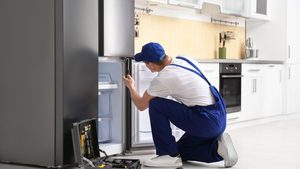
When an LG refrigerator flashes a cryptic code on its display, most homeowners assume the worst, expensive repairs or a service call. But many error codes point to simple fixes that take minutes, not hundreds of dollars. LG’s diagnostic system is designed to help identify issues quickly, from fan malfunctions to sensor glitches. Understanding what these codes mean, and which ones you can tackle yourself, saves time and money while keeping food fresh and systems running smoothly.
Table of Contents
ToggleKey Takeaways
- LG refrigerator error codes use alphanumeric formats (like ER FF or ER RF) to identify specific component failures, allowing homeowners to diagnose issues before calling expensive repair services.
- Common temperature-related LG refrigerator error codes such as ER dH (defrost sensor fault) and ER FF (freezer fan issues) can often be fixed with simple DIY solutions like clearing ice blockages or replacing affordable fan motors ($30–$70).
- A standard reset—unplugging for 5 minutes and restoring power—clears temporary fault codes caused by power surges or sensor glitches, but persistent codes indicate hardware failures requiring investigation.
- Fan motor replacement, sensor swaps, and defrost timer repairs are DIY-friendly fixes that save $200–$300 compared to professional service calls, while compressor failures and sealed system leaks should always be handled by EPA-certified technicians.
- Before troubleshooting, note the exact error code and monitor whether it appears intermittently (loose wiring) or continuously (component failure), then check the owner’s manual for model-specific diagnostics and reset procedures.
Understanding LG Refrigerator Error Code System
LG refrigerators use alphanumeric error codes displayed on the control panel or temperature screen. These codes correspond to specific component failures detected by the appliance’s onboard diagnostics. Most models built after 2015 display codes in a two-part format: a letter prefix (often “ER”) followed by two letters or numbers identifying the faulty system.
The error code appears when a sensor reads abnormal conditions, temperature spikes, fan stalls, or electrical faults. The refrigerator may continue running in limited mode or shut down certain features to prevent damage. Some codes trigger audible alarms: others only show on the display until acknowledged.
Not every code requires immediate action. Temporary glitches caused by power fluctuations or door-ajar conditions sometimes clear after a reset. But persistent codes, especially those affecting cooling or defrost systems, need investigation. The owner’s manual includes a full code list, but common issues fall into a few categories: temperature control, airflow, ice/water systems, and electrical faults.
Before troubleshooting, note the exact code and how often it appears. Intermittent codes may indicate loose wiring or failing components that haven’t completely failed yet. Continuous codes typically mean a sensor, fan, or control board has stopped functioning.
Common LG Refrigerator Temperature Error Codes
Temperature-related codes are among the most frequent. These indicate problems with fans, sensors, or defrost cycles that affect cooling performance.
Error Code ER dH or dH: Defrost sensor fault. The defrost heater isn’t turning on or the sensor can’t read temperature. Ice buildup on evaporator coils is the usual symptom. Check if the defrost timer or heater element has failed. Homeowners using home improvement techniques for appliance maintenance often find frost accumulation behind interior panels.
Error Code ER IS: Ice maker sensor malfunction. The temperature sensor in the ice maker compartment is reporting abnormal readings. Verify the sensor connector isn’t loose and that the ice maker isn’t overfilled or jammed.
Error Code 22 or 33: Refrigerator or freezer section running too warm. These codes appear when compartment temperature exceeds safe thresholds. Common causes include door gasket leaks, blocked vents, or compressor issues. Start by checking door seals and ensuring nothing blocks airflow between compartments.
Error Code ER FF: Freezer Fan Issues
This code signals a freezer fan failure. The evaporator fan circulates cold air throughout the freezer and into the refrigerator compartment. When it stops, the freezer may still cool slightly (via passive contact with evaporator coils), but the refrigerator section warms up fast.
Diagnosis: Open the freezer. If you don’t hear the fan running when the door closes (use the door switch manually or tape it down), the motor or wiring has failed. Ice buildup around the fan housing can also jam the blades.
Fix: Unplug the unit. Remove the rear freezer panel (usually 4–6 screws). Check for ice blocking the fan, if present, defrost with a hair dryer on low heat (never chip ice manually: you’ll crack plastic or damage coils). If the fan is clear but won’t spin, test the motor with a multimeter. Freezer fan motors cost $30–$70 and install with two screws and a wire harness connector. Replacement takes 20 minutes once panels are off.
Safety note: Wear work gloves when handling sheet metal edges inside the freezer compartment. Disconnect power before touching any wiring.
Error Code ER RF: Refrigerator Fan Problems
Similar to ER FF, but affects the refrigerator compartment fan (on models with dual-fan systems). Some LG refrigerators use a single evaporator fan: others have dedicated fans for each section.
Diagnosis: The refrigerator section warms while the freezer stays cold. You won’t hear airflow when the compressor runs. Check the fan behind the rear wall inside the fridge compartment.
Fix: Same process as freezer fan, unplug, remove panel, inspect for obstructions or motor failure. Refrigerator fans are slightly smaller but use the same replacement procedure. If both ER FF and ER RF appear, suspect a control board issue rather than two simultaneous fan failures.
Ice Maker and Water Dispenser Error Codes
Water system codes relate to fill valves, sensors, and dispenser mechanisms.
Error Code IF or 1F: Ice maker fan fault (on models with dedicated ice maker cooling fans). Less common than main fan errors but follows the same diagnostic steps.
Error Code FS: Freezer sensor error. The thermistor monitoring freezer temperature is faulty or disconnected. The refrigerator may default to maximum cooling, over-freezing items or icing up compartments. Replace the sensor, a small bead thermistor clipped to the evaporator coil or compartment wall.
No error code, but ice maker issues: Many ice maker troubleshooting steps don’t trigger codes. Low water pressure, clogged filters, or jammed mechanisms fail silently. Check water line shut-off valves and replace filters every six months (standard cartridges flow 200–300 gallons before clogging).
Error Code OF OF (or OFF OFF): Not a fault, this indicates cooling is manually disabled via the control panel. Press and hold the refrigerator and freezer temp buttons simultaneously for three seconds to toggle cooling back on.
How to Reset Your LG Refrigerator and Clear Error Codes
Resetting clears temporary faults and restarts the diagnostics cycle. It won’t fix hardware failures, but eliminates false codes caused by power surges or brief sensor glitches.
Standard reset procedure:
- Unplug the refrigerator from the wall outlet. If it’s hardwired or the outlet is inaccessible, flip the dedicated circuit breaker. Waiting with the unit powered on won’t reset anything.
- Wait 5 minutes. This allows capacitors to discharge and the control board to fully power down. Thirty seconds isn’t enough, aim for five full minutes.
- Plug back in or restore power. The display will run through a startup sequence. Most codes clear if the fault was transient.
- Monitor for 24 hours. If the code returns, the underlying issue remains.
Control panel reset (model-dependent): Some LG refrigerators allow a soft reset by holding the Ice Plus and Refrigerator buttons together for five seconds, or pressing the Door Alarm button three times. Check the owner’s manual for model-specific combinations.
When reset doesn’t work: Persistent codes after multiple resets indicate failed components. Don’t keep resetting indefinitely, repeated faults need repair, not reboots.
When to Call a Professional vs. DIY Fixes
Some error codes point to straightforward replacements: others require refrigerant handling, electrical diagnostics, or sealed system work that’s beyond DIY scope.
DIY-friendly repairs:
- Fan motor replacement: Accessible, low voltage, and clearly defined. If you can swap a bathroom exhaust fan, you can swap a refrigerator fan motor.
- Sensor replacement: Thermistors clip or plug in without soldering. Cost $15–$40 per sensor.
- Defrost timer or heater: Requires disassembly and multimeter testing, but components are mechanical and safe to handle once unplugged.
- Door gasket replacement: No error code, but fixes warm-compartment issues. Gaskets cost $50–$100 and press into retaining channels.
Hire a tech for:
- Compressor failure: Error codes like CO or compressor relay faults require sealed system work, EPA-certified refrigerant recovery, and specialized tools. Compressor replacement often costs 50–70% of a new refrigerator.
- Control board replacement: Boards run $150–$300. Installation is simple (plug-and-play connectors), but misdiagnosis is common. Many boards get replaced unnecessarily when a $20 sensor is the real culprit.
- Sealed system leaks: Refrigerant leaks (indicated by warm compartments even though running compressor) need licensed HVAC techs. DIY refrigerant work is illegal under EPA regulations.
- Electrical issues beyond sensors: If error codes cycle randomly or the display glitches, wiring harnesses or main boards may have failed. These require schematic diagrams and circuit tracing.
Safety warning: Always disconnect power before opening panels or touching components. Capacitors can hold charge even after unplugging, discharge them with an insulated screwdriver across terminals if working near the compressor area. Wear safety glasses when working inside compartments with sharp edges or pressurized lines.
Many appliance error codes follow similar diagnostic logic across brands, identifying the failing system, testing components, and replacing parts methodically. LG’s codes are more transparent than most, giving homeowners a real shot at DIY repairs when approached with the right tools and realistic assessment of skill level.
Cost comparison: Service calls start at $100–$150 just for diagnostics. Parts markup through repair services can double cost. A homeowner replacing a freezer fan motor spends $40 and an hour: a service call for the same repair runs $200–$300. That said, misdiagnosing and replacing the wrong part wastes time and money, if uncertain, professional diagnosis may be worth the upfront cost.