Imagine waking up to the crisp mountain air, surrounded by towering peaks and whispering pines. Mountain home architecture isn’t just a design choice; it’s a lifestyle that invites nature into daily living. With its cozy nooks and stunning views, these homes offer a perfect blend of comfort and adventure.
From rustic cabins that look like they’ve been plucked from a fairy tale to sleek modern retreats that could make even a bear jealous, each design tells a story. Whether you’re looking to escape the hustle and bustle or simply want a space that feels like a warm hug, mountain homes can deliver. So grab your hiking boots and let’s explore the enchanting world of mountain architecture that’ll have you dreaming of your next getaway.
Overview Of Mountain Home Architecture
Mountain home architecture embodies a lifestyle that embraces natural beauty and comfort. These homes create an inviting atmosphere, blending seamlessly with their surroundings while offering a sanctuary from urban life.
Definition And Characteristics
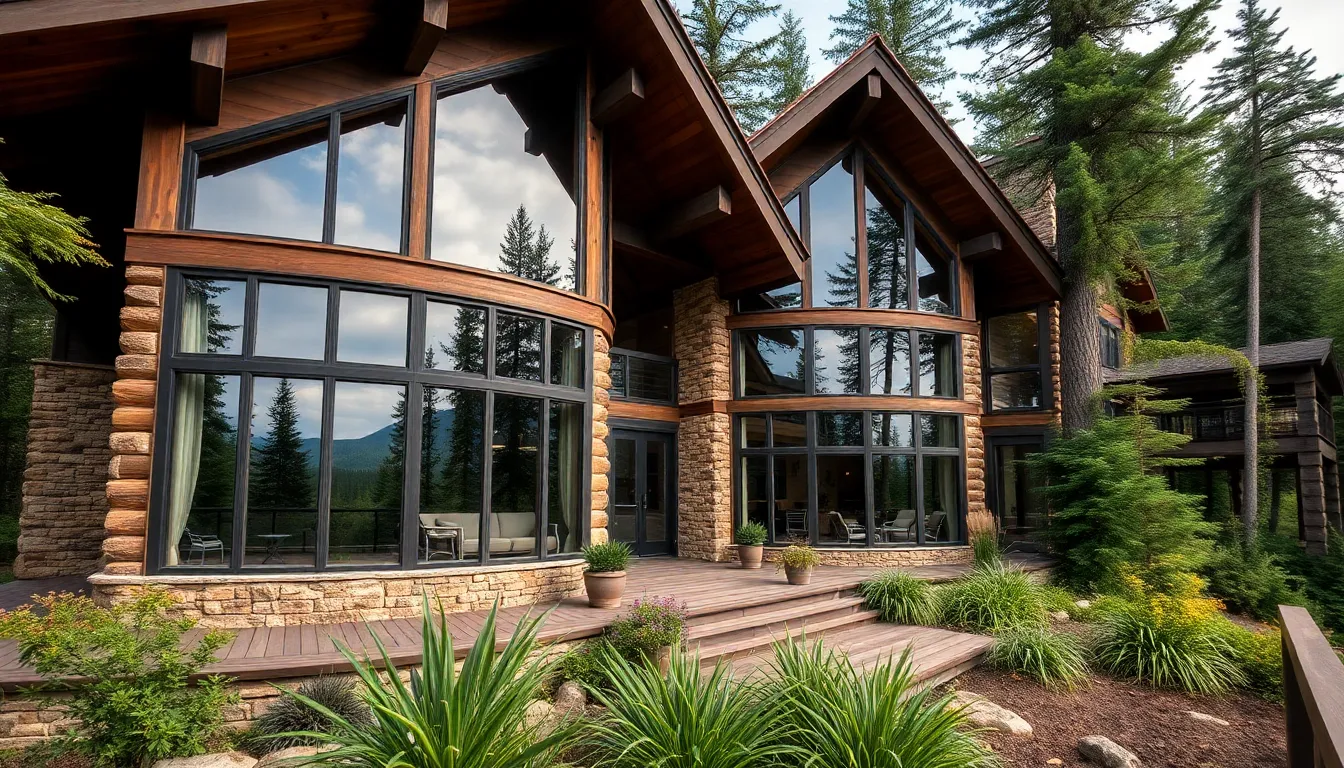
Mountain home architecture features distinctive elements that reflect regional styles. Common features include large windows that frame breathtaking views, open floor plans for flexible living spaces, and natural materials like wood and stone that enhance harmony with nature. Roof designs often include steep pitches to handle snow loads, while outdoor patios and decks extend living areas into the landscape. Homes may showcase sustainable building practices, focusing on eco-friendly design and energy efficiency.
Historical Background
Mountain home architecture evolved alongside regional traditions and cultural influences. Early settlers built cabins using local resources, prioritizing functionality and shelter. Over time, influences from various architectural styles created modern adaptations, combining rustic charm with contemporary aesthetics. Noteworthy movements, such as the Arts and Crafts movement, emphasized craftsmanship and natural elements, further shaping the character of mountain homes. In recent decades, the popularity of mountain retreats has surged, driven by a desire for connection to nature and outdoor lifestyles.
Key Elements Of Design
Mountain home architecture emphasizes specific design elements that enhance the living experience. Understanding these key aspects helps in appreciating the unique characteristics of these homes.
Use Of Natural Materials
Natural materials play a vital role in mountain home architecture. Wood forms the backbone of many designs, providing warmth and strength. Stone complements wood, adding a rustic aesthetic that blends seamlessly with the surroundings. Metal accents often enhance character, offering durability and modernity. Each element contributes to a cohesive design that celebrates nature’s beauty. Sustainability also shows significance, as many builders prioritize eco-friendly materials that minimize environmental impact.
Integration With Surroundings
Integration with surroundings characterizes mountain homes. Designers orient structures to maximize views and sunlight. Each home’s layout considers natural topography and vegetation, ensuring harmony with the landscape. Outdoor living spaces, like decks and patios, create seamless transitions between indoors and outdoors. Landscaping incorporates native flora, enhancing the setting while requiring less maintenance. This strategic integration not only enhances visual appeal but also fosters a deeper connection with nature.
Popular Styles Of Mountain Home Architecture
Mountain home architecture showcases various styles that blend with natural surroundings. Each style offers unique attributes appealing to different tastes and lifestyles.
Rustic Style
Rustic style emphasizes a cozy, warm atmosphere. Log cabins often represent this design, featuring exposed beams and rough-hewn timbers. Materials like stone and wood contribute to a natural feel, enhancing the connection to the environment. Large fireplaces create inviting focal points within living areas. These homes typically incorporate local materials, fostering harmony with the landscape. Moreover, the use of earthy color palettes strengthens the rustic charm, making these homes cozy retreats for relaxation and gathering.
Contemporary Style
Contemporary style highlights sleek lines and minimalistic designs. This approach often includes expansive glass walls that maximize views and natural light. Open floor plans create spacious, inviting areas for entertaining. Sleek finishes and eco-friendly materials characterize the interior, reflecting modern sensibilities. Outdoor spaces blend seamlessly with indoor areas, encouraging an active lifestyle. Additionally, innovative designs often prioritize energy efficiency, making contemporary mountain homes both stylish and sustainable. These homes appeal to those seeking a modern retreat while maintaining a connection to nature.
Sustainable Practices In Mountain Home Architecture
Sustainable practices shape the future of mountain home architecture. These practices focus on reducing environmental impact while enhancing comfort.
Eco-Friendly Materials
Utilizing eco-friendly materials plays a critical role in mountain home construction. Bamboo, reclaimed wood, and local stone create sustainable, visually appealing structures. These materials reduce the carbon footprint and blend harmoniously with the surroundings. Many builders prioritize non-toxic finishes and low-VOC products to ensure healthier living environments. Aesthetic and functional properties of these materials enhance the overall design, promoting a lifestyle deeply connected to nature.
Energy Efficiency
Energy efficiency is a key consideration in mountain home design. Incorporating passive solar design methods optimizes natural light and heat. This approach significantly lowers energy consumption, leading to substantial cost savings over time. High-performance insulation, energy-efficient windows, and smart home technologies contribute to maintaining comfortable indoor temperatures. Renewable energy sources, such as solar panels, further enhance sustainability by minimizing reliance on traditional energy systems. These advancements reflect a deep commitment to creating eco-conscious mountain retreats.
Benefits Of Mountain Home Architecture
Mountain home architecture offers various advantages that appeal to many. Its design fosters a harmonious relationship with the natural environment.
Connection To Nature
Emphasizing large windows and open spaces, mountain homes draw the outdoors inside. Nature becomes an integral part of daily living. Wildlife sightings and breathtaking vistas enhance the inhabitants’ experiences. Wood and stone materials reflect the surrounding landscape, blurring the lines between indoors and outdoors. Outdoor living spaces, like decks and patios, encourage residents to engage with their environment. This connection promotes overall well-being, reducing stress and enhancing relaxation.
Privacy And Seclusion
Mountain homes often provide solitude, set away from urban noise and distractions. Nestled in serene landscapes, these residences offer a tranquil retreat. Their locations encourage a peaceful lifestyle while maintaining proximity to outdoor activities. Fewer neighbors enhance the sense of seclusion, allowing residents to enjoy their personal spaces. Many designs incorporate natural barriers like trees and hills to further assist with privacy. This seclusion fosters a unique lifestyle focused on comfort and introspection.
Mountain home architecture offers a unique blend of comfort and adventure that resonates with those seeking a deeper connection to nature. The thoughtful integration of natural materials and design elements creates spaces that invite tranquility and reflection. Whether one prefers the rustic charm of log cabins or the sleek lines of contemporary retreats, each style enhances the living experience in its own way.
As sustainability becomes increasingly vital, these homes are evolving to meet modern demands while preserving their essence. Ultimately, mountain homes serve as more than just residences; they embody a lifestyle that encourages relaxation and fosters a profound appreciation for the natural world. Embracing this architectural style can transform everyday living into a serene escape.