In a world where cubicles reign supreme and coffee breaks are sacred, the construction of office buildings isn’t just about bricks and mortar; it’s about creating the perfect habitat for productivity and collaboration. Imagine a space where creativity flows as freely as the office snacks and where every corner inspires innovation. This isn’t just any construction project; it’s the foundation of tomorrow’s work culture.
From sleek designs that make a bold statement to eco-friendly features that save the planet (and maybe a few bucks), office building construction has evolved into an art form. Whether it’s a high-rise that scrapes the sky or a cozy co-working space, the choices are endless. So buckle up as we dive into the fascinating world of office building construction, where every beam and bolt plays a crucial role in shaping the future of work.
Overview of Office Building Construction
Office building construction encompasses multiple phases that integrate design, planning, and execution. Each phase plays a critical role in ensuring functionality and aesthetic appeal. Modern office buildings often prioritize sustainability, employing eco-friendly materials and energy-efficient technologies.
Architects focus on creating spaces that foster collaboration and creativity. Open floor plans have gained popularity, allowing for flexible layouts that adapt to changing workflows. High ceilings and abundant natural light enhance employee well-being and productivity.
Construction techniques vary significantly based on building size and purpose. Steel frames support high-rise structures, while concrete offers durability for mid-rise buildings. Modular construction presents another avenue, allowing for quicker assembly and reduced waste.
In terms of permits, regulations must be carefully navigated. Local zoning laws dictate building height, usage, and site placement. Engaging with city planners early in the process streamlines approvals and minimizes delays.
Budgeting remains paramount throughout construction. Cost estimates should consider labor, materials, and unforeseen contingencies. Utilizing project management software helps track expenses and maintain timelines.
Safety remains a priority at construction sites. Adhering to safety regulations protects workers and the public. Regular inspections and training sessions reinforce a culture of safety on-site.
Technological advancements continue to shape office building construction. Building Information Modeling (BIM) enhances design accuracy and facilitates collaboration among stakeholders. Virtual reality tools allow clients to visualize spaces before completion.
Incorporating innovative features sets new office buildings apart. Smart technology, like automated lighting and climate control, improves energy efficiency. Green roofs and outdoor spaces contribute positively to urban environments while providing employees with areas to unwind.
Key Considerations in Office Building Design
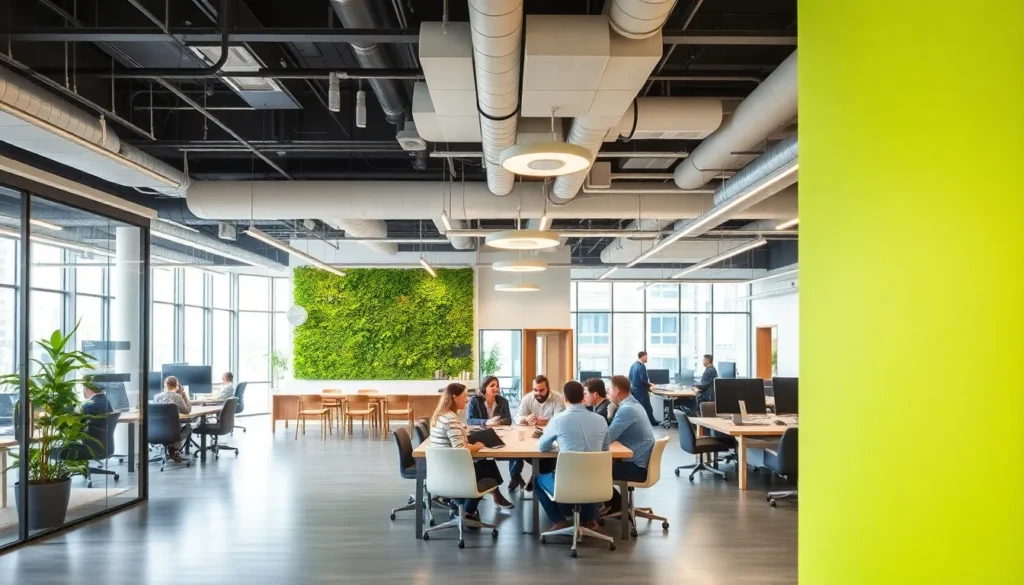
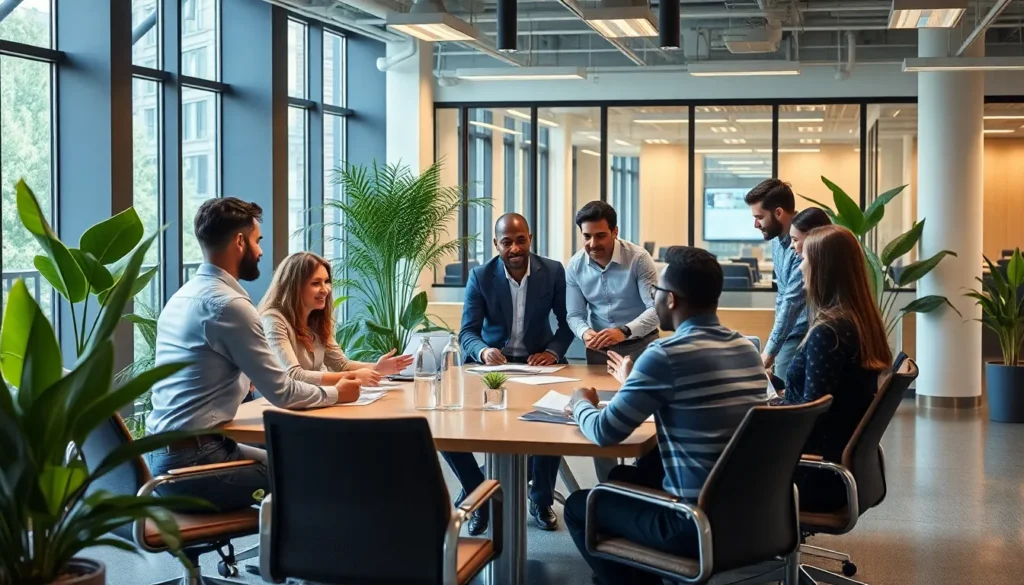
Effective office building design requires careful attention to multiple factors influencing both functionality and aesthetics. Space utilization and sustainability practices play vital roles in creating environments that foster productivity and well-being.
Space Utilization
Maximizing space is essential in office buildings. Efficient layouts can encompass open floor plans, private offices, and collaborative areas. Flexibility in design allows for adjustments based on evolving team needs. Usage of modular furniture enables quick reconfiguration for various tasks and events. Adequate meeting space promotes collaboration among employees. Adopting hierarchical zoning—designating areas for focused work versus social engagement—enhances workflow. Implementing smart technology aids in tracking space occupancy, helping to optimize usage further.
Sustainability Practices
Integrating sustainable practices in office building construction benefits both the environment and occupants. Utilizing eco-friendly materials reduces the carbon footprint. Energy-efficient technologies like LED lighting and HVAC systems lower operational costs. Incorporating green roofs and living walls contributes to improved air quality and natural insulation. Waste reduction practices during construction can lead to significant material savings. Certification programs such as LEED encourage adherence to sustainability standards. Prioritizing rainwater harvesting and recycling systems enhances a building’s resource efficiency. Overall, these elements lead to healthier spaces that attract tenants and improve employee satisfaction.
Construction Methods for Office Buildings
Office building construction employs various methods tailored to meet specific requirements. Understanding traditional and modern techniques can significantly influence project outcomes and efficiency.
Traditional vs. Modern Techniques
Traditional construction techniques typically embrace brick, concrete, and steel frameworks. These methods focus on individual craftsmanship, resulting in time-intensive projects. In contrast, modern techniques often prioritize efficiency and precision through prefabrication and advanced technologies. Modern construction uses modular components that fit together seamlessly, enabling quicker assembly. Moreover, lean construction practices improve resource management and reduce waste, reflecting a shift towards sustainability. Adopting these contemporary approaches enhances the functionality and aesthetic appeal of office buildings, creating appealing environments for employees.
Modular Construction
Modular construction involves the assembly of pre-manufactured sections or modules off-site. Each module is constructed in a controlled environment, ensuring consistent quality and minimizing delays. Once completed, the modules transport to the final site for swift installation. This method significantly reduces construction timelines, allowing projects to finish faster than traditional methods. Various customization options enable architects to design unique office spaces while maintaining efficiency in construction. Incorporating modular techniques supports sustainability initiatives by reducing material waste and mitigating site disturbances. As companies seek flexibility, modular construction aligns perfectly with the evolving needs of modern workspaces.
Challenges in Office Building Construction
Office building construction presents various challenges that require careful consideration during the planning and execution phases. Two significant hurdles include regulatory hurdles and budget constraints.
Regulatory Hurdles
Navigating regulatory hurdles is critical in office building construction. Local zoning laws dictate land use and significantly influence design decisions. Obtaining necessary permits for construction and compliance with building codes can delay projects. Engaging with city officials early in the process helps identify potential roadblocks. Additionally, environmental regulations may require assessments that impact project timelines. These challenges emphasize the importance of thorough research and planning.
Budget Constraints
Budget constraints often complicate office building construction. Establishing a realistic budget involves accounting for land acquisition, labor, materials, and unforeseen expenses. Project managers must also prioritize features that enhance functionality while adhering to financial limits. Consistent communication with stakeholders ensures transparency and fosters trust. Regular budget reviews allow for adjustments based on any changes in project scope or unforeseen challenges. Addressing these constraints early minimizes financial strain throughout the construction process.
Future Trends in Office Building Construction
Office building construction is rapidly evolving, integrating innovative technologies and flexible designs to meet modern needs.
Smart Building Technologies
Smart building technologies enhance operational efficiency and improve user experience in office environments. These systems utilize data analytics and automation to optimize resource use, such as energy management systems that reduce consumption by up to 30%. Integration of Internet of Things devices allows for seamless communication between facilities and employees, creating smarter environments. Enhanced security features, including facial recognition and smart access controls, ensure safety while improving convenience. Moreover, occupancy sensors adjust lighting and climate based on real-time usage, fostering a comfortable environment that promotes productivity. Increased use of these technologies significantly contributes to workplace satisfaction and helps maintain sustainable practices in construction.
Adaptability and Flexibility
Adaptability and flexibility are crucial for modern office building designs. Open floor plans allow for easy reconfiguration, accommodating varying team sizes and collaboration styles. Multipurpose spaces can adapt to both formal meetings and casual brainstorming sessions, enhancing functionality. Use of modular furniture enables quick rearrangement, catering to evolving work needs. Designers prioritize creating areas that foster interaction while maintaining spaces for focused work, ensuring a balance between collaboration and privacy. Furthermore, the demand for hybrid work solutions necessitates designs that facilitate remote collaboration, which can include integrated video conferencing facilities. Emphasizing these adaptable elements supports a dynamic work culture that thrives on change.