Chainsaws are often associated with lumberjacks and horror films, but their origins reveal a fascinating blend of necessity and innovation. Originally developed in the late 18th century, these powerful tools were designed to make the daunting task of cutting wood more efficient. Understanding why chainsaws were invented not only sheds light on their practical applications but also highlights the evolution of technology in woodworking.
As we delve into the history of chainsaws, it’s essential to separate fact from fiction. Many myths surround their invention, leading to misconceptions about their purpose and development. By examining the true reasons behind their creation, readers can gain a clearer perspective on how chainsaws have transformed industries and influenced modern-day practices.
The Origins of Chainsaws
Chainsaws originated in the late 18th century as a means to enhance the efficiency of wood cutting. The first chainsaw, known as the “osteotome,” was developed in 1780 by Scottish surgeon John Aitken. Designed for surgical use, the osteotome featured a chain saw that allowed precise cutting of bone, marking a significant technological advancement.
In the early 20th century, the invention of the gas-powered chainsaw transformed the logging and forestry industries. In 1926, Andreas Stihl created the first gasoline chainsaw for commercial use, providing a more powerful and portable solution for lumberjacks. Chainsaws became essential in large-scale timber operations, allowing workers to fell trees and process lumber efficiently.
Throughout the years, chainsaw technology evolved, with advancements in materials and engineering. Modern chainsaws now feature automatic oilers, safety chains, and ergonomic designs, making them safer and more user-friendly. Today, chainsaws are utilized in various applications, including tree trimming, land clearing, and firewood preparation. Understanding the origins of chainsaws reveals their significant impact on industrial practices and innovations in wood processing.
Purpose Behind Chainsaw Invention
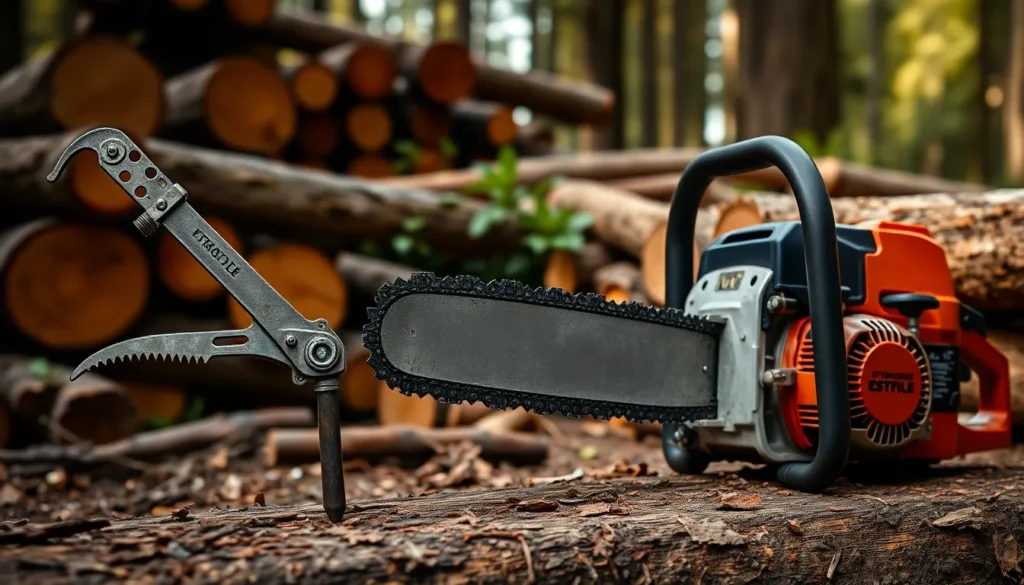
Chainsaws, originally invented to enhance cutting efficiency, serve specific purposes across various fields. Understanding their intended uses clarifies the importance and impact of these powerful tools.
Medical Uses
The first chainsaw, known as the “osteotome,” emerged in 1780, created by Scottish surgeon John Aitken for surgical procedures. This tool facilitated precise bone cutting during surgeries, significantly enhancing the efficiency and effectiveness of medical interventions in that era. Its design allowed for smoother and quicker operations compared to traditional methods, marking a pivotal moment in surgical history and tool development.
Forestry Applications
Chainsaws saw substantial evolution by the early 20th century, particularly with Andreas Stihl’s gasoline-powered chainsaw in 1926. These tools revolutionized logging practices by offering increased power and mobility for lumberjacks. Chainsaws made tree felling, limb removal, and log processing more efficient, directly impacting the forestry industry. Functions like automatic oilers and lightweight designs tailored for ease of use contributed to their success, making chainsaws indispensable for land clearing, firewood preparation, and landscape management.
Evolution of Chainsaw Technology
Chainsaw technology has undergone significant transformations since its inception, adapting to meet various cutting needs across diverse industries. Early designs paved the way for modern innovations, enhancing performance and usability.
Early Designs
Early chainsaws emerged in the late 18th century, focused primarily on medical applications. The first chainsaw, the “osteotome,” created by John Aitken in 1780, featured a chain with teeth designed for precise bone cutting during surgeries. This innovation marked a departure from traditional surgical instruments, allowing for increased efficiency and accuracy. By the 1920s, chainsaws began transitioning to woodcutting. The introduction of the gas-powered chainsaw by Andreas Stihl in 1926 brought a significant shift in logging practices, allowing lumberjacks to fell trees and process logs more effectively than ever before. These early designs laid the groundwork for the powerful, versatile tools used today.
Modern Innovations
Modern chainsaw technology integrates advanced materials and engineering to enhance performance, safety, and usability. Features such as automatic oilers, anti-vibration systems, and ergonomic designs improve user comfort and efficiency during operation. Electronic ignition systems offer easier starting and fuel efficiency, while lightweight materials reduce fatigue during prolonged use. Additionally, advancements in chain design, including low-kickback chains, enhance safety for users. Smart technology in some models provides real-time data on performance metrics. These innovations have expanded the applications of chainsaws, making them essential tools in industries ranging from forestry to landscaping.
Common Myths About Chainsaws
Numerous myths surround the invention and use of chainsaws. Addressing these misconceptions helps clarify their true purpose and historical context.
Misconceptions in Popular Culture
Chainsaws often appear in horror films and media, portraying them as menacing tools. This depiction misrepresents their primary purpose, which centers on practical industrial applications rather than violence. Furthermore, many people associate chainsaws with chainsaw massacres and similar themes. This association detracts from their significance in forestry, construction, and landscaping. Chainsaws are essential tools designed to enhance efficiency in cutting tasks, not instruments for harm.
Clarifying Historical Facts
Historically, chainsaws were not initially designed for logging or construction. The first chainsaw, the osteotome, developed by John Aitken, served surgical purposes. It facilitated accurate bone cutting in medical procedures, marking a groundbreaking innovation in surgery. It wasn’t until the early 20th century that chainsaws transitioned into more widespread use in lumbering, thanks to advancements made by Andreas Stihl and others. Their introduction significantly improved tree felling and wood processing operations. Understanding this progression highlights the essential role chainsaws play in everyday industrial practices, distancing the narrative from sensationalized myths.
Chainsaws have come a long way since their inception in the late 18th century. Initially designed for medical use their evolution into powerful tools for logging and other industries showcases remarkable technological advancements. Understanding the true origins of chainsaws not only dispels myths but also highlights their practical applications in various fields.
As chainsaws continue to evolve with modern innovations they remain essential in enhancing efficiency and safety. By recognizing their historical context and intended purpose it’s clear that chainsaws are invaluable tools that have transformed industrial practices for the better.