Installing new windows can transform a home, enhancing both aesthetics and energy efficiency. With advancements in technology and design, homeowners now have a wide array of options to choose from, making the selection process both exciting and daunting. Proper installation is crucial, as it not only affects the windows’ performance but also contributes to the overall comfort and safety of the home.
Whether upgrading old, drafty windows or embarking on a new construction project, understanding the installation process is essential. From choosing the right materials to ensuring a perfect fit, every step plays a significant role in the success of the project. This article will guide readers through the key aspects of window installation, helping them make informed decisions that lead to beautiful and functional results.
Overview of Window Installation
Window installation involves several key steps that ensure new windows enhance the home’s quality and appeal. Proper preparation, selection of materials, and precise fitting are essential for achieving optimal results.
- Assessment
It’s important to assess the existing window frames and openings. Measurements must be accurate to guarantee a secure fit and prevent air leaks.
- Material Selection
Choosing the right materials significantly influences durability and performance. Options include vinyl, wood, aluminum, and fiberglass, each offering unique benefits and aesthetics.
- Removal of Old Windows
Carefully removing the old windows requires precision to avoid damaging surrounding structures. This step involves detaching any trim and securing the area.
- Installation Process
The installation includes placing the new window into the opening, ensuring it’s level and plumb. Fastening the window securely prevents future issues related to stability or energy efficiency.
- Sealing and Insulation
Proper sealing is critical for energy efficiency. Insulation around the window perimeter minimizes air infiltration, enhancing the home’s comfort and reducing energy costs.
- Finishing Touches
Once the window is installed and sealed, attention shifts to cosmetic touches. This involves reinstalling trim and ensuring all aspects of the installation blend seamlessly with the interior and exterior.
Overall, successful window installation enhances energy efficiency, aesthetics, and home value. Following these steps contributes to a more comfortable living environment.
Types of Windows
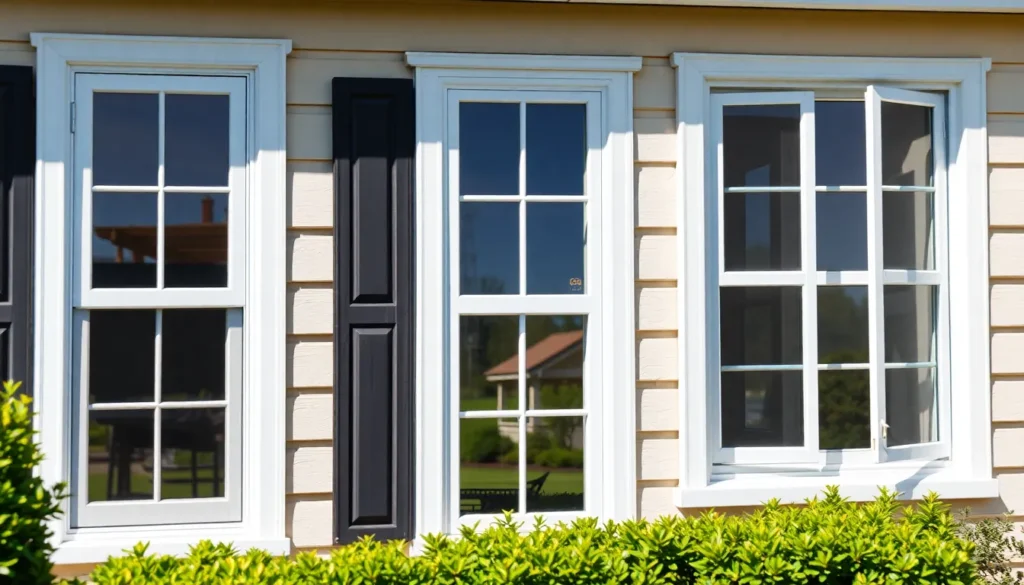
Different types of windows offer various functions and aesthetic options for homeowners. Understanding these options enhances decision-making for window installation.
Single-Hung Windows
Single-hung windows feature a fixed top sash and a bottom sash that slides vertically. These windows occupy less space, enabling effective use in tight areas. Commonly used in residential designs, single-hung windows provide good ventilation due to their operable bottom sash. They typically offer energy efficiency, especially when paired with insulated glass.
Double-Hung Windows
Double-hung windows have both top and bottom sashes that can slide up and down. This design allows for enhanced airflow, as both sashes can be opened simultaneously. Double-hung windows facilitate easy cleaning, with both sashes tilting inwards for access to the exterior glass. They provide a classic look and are often preferred for traditional home styles.
Casement Windows
Casement windows open outward through a hinge mechanism on the side. This design allows for maximum ventilation, as the entire window space can be opened. Casement windows are energy-efficient due to a tight seal when closed. They typically come in various sizes and styles, making them versatile for numerous architectural designs.
Preparation for Installation
Preparation plays a crucial role in successful window installation. Proper planning and assessment help ensure a smooth process and optimal results.
Measuring Windows
Measuring windows accurately is vital for a perfect fit. Homeowners should follow these steps:
- Measure width – Measure the top, middle, and bottom widths of the existing window frame. Use the smallest measurement to determine the new window width.
- Measure height – Measure the left, center, and right heights from the top of the window frame to the sill. Use the smallest height measurement for accuracy.
- Check for square – Measure diagonally from corner to corner in both directions. If measurements differ by more than a quarter-inch, adjustments may be needed during installation.
- Document dimensions – Write down all measurements carefully to avoid errors when ordering new windows.
Selecting Materials
Choosing the right materials impacts durability, energy efficiency, and aesthetics. Homeowners must consider the following options:
- Vinyl – Offers affordable prices, low maintenance, and good insulation properties.
- Wood – Provides a traditional look and excellent insulation but demands regular maintenance to prevent rot.
- Aluminum – Strong, lightweight, and durable against harsh weather, though less effective in energy retention.
- Fiberglass – Combines strength with energy efficiency, resisting warping and expansion.
Each material has unique benefits, so evaluating individual needs and preferences is essential before selection.
The Installation Process
Understanding the installation process is crucial for a successful window fitting. This section outlines the necessary tools and provides a systematic guide for window installation.
Tools Needed
- Measuring Tape: Ensures accurate dimensions of the window opening.
- Level: Confirms that the window is installed evenly.
- Screwdriver: Facilitates the attachment of the window frame.
- Caulk Gun: Applies sealant for insulation around the window.
- Putty Knife: Assists in removing old sealant or trim.
- Hammer: Secures the window frame in place.
- Utility Knife: Cuts insulation or any needed materials.
- Safety Glasses: Protects eyes during the installation process.
- Step Ladder: Provides safe access to higher window placements.
Step-by-Step Guide
- Prepare the Opening: Remove old windows and inspect the framed area for damage.
- Measure Dimensions: Check the width and height of the opening. Verify that the area is square. Document measurements for accuracy.
- Select the Right Window: Choose a window type suited for energy efficiency and aesthetics.
- Position the New Window: Place the window into the opening and secure using shims to ensure it’s level.
- Fasten the Window: Use screws to attach the window frame securely.
- Seal the Edges: Apply insulation and caulk to fill gaps around the window frame, enhancing energy efficiency.
- Install Trim: Reattach or install new trim to provide a finished look.
- Inspect the Installation: Check for gaps and ensure functionality, adjusting as necessary.
Following these steps ensures a well-executed window installation that improves aesthetics and energy efficiency.
Common Challenges and Solutions
Window installation presents several challenges. Understanding these issues and their solutions enhances the installation experience and ensures long-term satisfaction.
Dealing with Uneven Frames
Uneven frames complicate window installation by preventing a proper fit. Measures to address this issue include:
- Assessing Frame Condition: Inspect frames for warping or damage. Identify areas that require adjustment.
- Utilizing Shims: Insert shims to create a level surface for the new window. Ensure shims are placed uniformly along the sides to maintain stability.
- Adjusting Frame Dimensions: If frames are significantly uneven, consider adjusting frame dimensions. Cutting or adding material can help achieve a better fit.
- Consulting Professionals: When major adjustments are required, hiring a professional might be necessary. Experts can ensure proper alignment and prevent future issues.
Ensuring Proper Sealing
- Use High-Quality Sealants: Select appropriate sealants designed for window installation. Silicone or polyurethane sealants offer excellent durability and flexibility.
- Thoroughly Clean the Surface: Clean the area around the window frame before applying sealant. Remove dirt, dust, and old caulk to facilitate a strong bond.
- Apply Sealant Evenly: Apply the sealant in a continuous bead around the window frame. Ensure coverage at all seams to eliminate potential leaks.
- Inspect Seals Regularly: After installation, inspect seals regularly for signs of wear or damage. Reapply sealant as needed to maintain performance.
Investing in new windows can significantly elevate a home’s comfort and aesthetic appeal. Proper installation is vital to ensure that these benefits are fully realized. By following the outlined steps and addressing potential challenges, homeowners can achieve a successful installation that not only enhances energy efficiency but also boosts property value.
Choosing the right materials and window types tailored to individual needs plays a crucial role in this process. With careful planning and attention to detail, window installation can transform a living space into a more inviting and energy-efficient environment.