In the world of construction, Type 2 buildings are like the reliable friend who always shows up on time with snacks. These structures, built with non-combustible materials, offer a perfect blend of safety and style, making them a popular choice for commercial spaces and multi-family homes. If you’re looking for a building that won’t go up in flames at the first whiff of trouble, Type 2 construction is your go-to.
Overview of Type 2 Building Construction
Type 2 buildings utilize non-combustible materials, emphasizing safety and longevity. These structures often incorporate steel, concrete, or masonry, enhancing fire resistance. Multi-family homes and commercial spaces predominantly feature this construction type, appealing to developers prioritizing safety and aesthetics.
In urban areas, Type 2 construction meets various building codes and standards, contributing to its popularity. Architects favor this method for its ability to balance cost-efficiency with durability. The reduced risk of fire spreads transforms Type 2 buildings into reliable options for occupancy.
Common characteristics include enhanced structural integrity and energy efficiency. Many Type 2 buildings feature modern designs that complement their functionality while maintaining compliance with regulations. A notable benefit lies in their reduced insurance premiums due to fire-resistance, making them financially appealing.
Additionally, Type 2 buildings typically require stricter design requirements, focusing on long-term use. Integration of sustainable practices within these constructions elevates their marketability. This construction type supports a range of architectural styles, allowing providers to cater to diverse client preferences.
Understanding the implications of Type 2 building construction supports informed decision-making for developers and builders alike. Comprehensive knowledge enables stakeholders to appreciate its advantages and disadvantages comprehensively. Prioritizing fire safety, aesthetic appeal, and structural integrity solidifies Type 2’s place within modern construction practices.
Key Features of Type 2 Construction
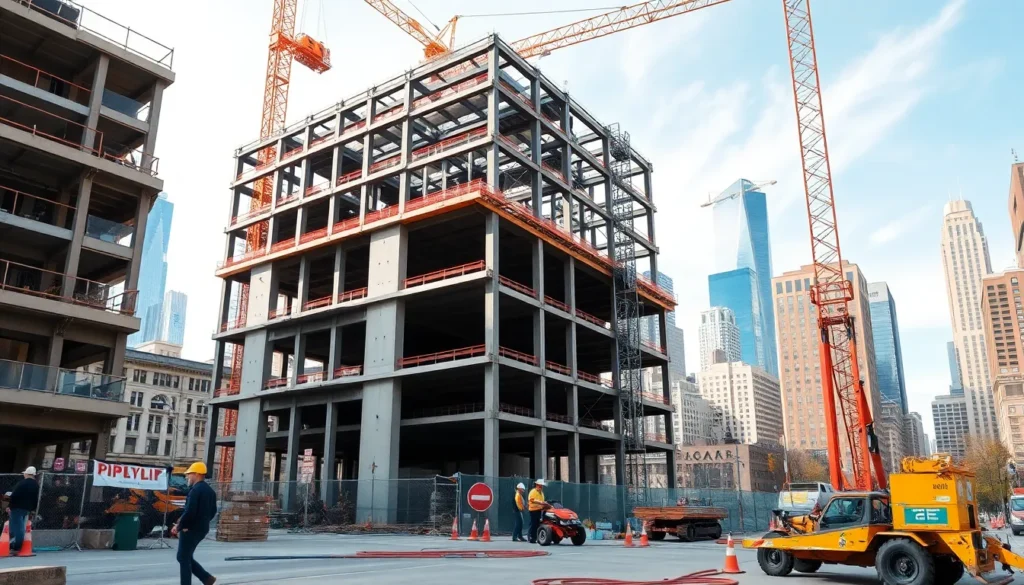
Type 2 construction stands out due to its robust safety measures and modern aesthetic. Focusing on fire resistance and structural components, these features create a reliable choice for urban development.
Fire Resistance
Fire resistance ranks as a primary feature of Type 2 construction. Non-combustible materials, like concrete and steel, significantly reduce fire risk. Many municipalities prefer this construction type due to stricter building codes. Fire-resistant elements contribute to overall safety, protecting occupants and property alike. Enhanced safety measures lead to decreased insurance premiums, benefiting owners financially. Understanding these factors emphasizes the value of Type 2 buildings in urban environments.
Structural Components
Structural components essential to Type 2 buildings include steel frames, concrete walls, and masonry foundations. These materials ensure stability and durability in various weather conditions. Steel frames provide strength while allowing for open interior spaces. Concrete walls enhance thermal efficiency, contributing to energy savings. Masonry foundations offer durability, further reinforcing the building’s integrity. These design choices promote long-term usability, encouraging developers to opt for Type 2 construction in suitable projects.
Advantages of Type 2 Building Construction
Type 2 building construction offers numerous benefits, primarily due to its use of non-combustible materials and robust design features. Developers and builders often choose this method for its practical advantages.
Cost-Effectiveness
Type 2 buildings serve as a financially savvy option. Costs associated with materials like concrete and steel often produce long-lasting structures. These materials typically require less maintenance over time, leading to reduced overall expenditures. Developers appreciate the potential for lowered insurance premiums, allowing for further financial savings. Additionally, a longer lifespan enhances return on investment, making this construction type appealing for commercial and multi-family projects.
Energy Efficiency
Energy efficiency stands out as a significant advantage in Type 2 buildings. Permeable materials often enhance thermal performance, reducing heating and cooling costs. Builders frequently integrate energy-efficient HVAC systems, which complement the fire-resistant qualities of the structure. The incorporation of energy-saving technologies adds to the appeal, particularly in urban environments where sustainability is a priority. Developers benefit from enhanced marketing opportunities, as energy-efficient buildings attract environmentally conscious tenants. Long-term energy savings promote sustainability while fulfilling modern building requirements.
Disadvantages of Type 2 Building Construction
Type 2 building construction presents certain disadvantages that may impact developers’ decisions. These drawbacks include limited design flexibility and maintenance considerations.
Limited Design Flexibility
Type 2 construction often restricts architectural creativity. Steel and concrete, while strong and durable, limit options for unique designs. Developers and architects frequently face challenges in creating distinctive aesthetics. Customization may become costly and time-consuming, especially for buildings requiring innovative layouts. Urban planners might find it difficult to incorporate local styles or cultural elements into Type 2 structures. Consequently, the uniformity in appearance could detract from neighborhood character. Balancing safety with unique design features often leads to compromises, limiting the overall architectural vision.
Maintenance Considerations
Maintenance of Type 2 buildings entails specific challenges. While concrete and steel provide durability, deterioration from weather or wear still occurs over time. Structural components may require routine inspections to ensure integrity. Repairing concrete cracks or addressing steel corrosion becomes essential for long-term reliability. Moreover, associated costs for maintenance may accumulate, affecting overall budget considerations. Choosing energy-efficient systems might increase upfront expenses, yet long-term benefits can offset initial investments. Developers must anticipate ongoing maintenance needs while budgeting for future repairs and replacements to maintain the building’s longevity and performance.
Applications of Type 2 Building Construction
Type 2 building construction finds extensive application in various sectors. Urban developments frequently utilize this construction type for residential complexes. Multi-family homes benefit from the fire-resistant properties, ensuring safety for occupants. Commercial spaces, especially retail and office buildings, often employ Type 2 methods to attract tenants with a focus on longevity and security.
Health care facilities also make effective use of Type 2 structures. Hospitals and clinics prioritize fire safety, as well as the quick evacuation of patients and staff during emergencies. Educational institutions, such as schools and universities, recognize the value of durable materials in creating safe environments for students.
In mixed-use developments, Type 2 construction enhances flexibility. These projects often combine residential, commercial, and recreational spaces, promoting community engagement. By integrating energy-efficient practices, such buildings can reduce operational costs, appealing to environmentally conscious developers and tenants alike.
Data centers and warehouses benefit from the robust characteristics of Type 2 buildings. These facilities require solid structural integrity to support heavy machinery and equipment. Additionally, the fire-resistant materials mitigate the risk of costly damage from fires or other hazards.
Finally, Type 2 construction resonates well within the real estate market. Property developers can leverage reduced insurance premiums associated with these fire-resistant buildings. Concentrating on compliance with building codes also simplifies the approval process. Various applications showcase how Type 2 buildings meet safety, efficiency, and aesthetic needs in contemporary construction.
Type 2 building construction stands out for its blend of safety durability and aesthetic appeal. Its use of non-combustible materials like steel and concrete not only enhances fire resistance but also meets the demands of modern urban environments. Developers and builders can appreciate the financial benefits including reduced insurance premiums and lower maintenance costs.
While there are limitations in design flexibility the advantages often outweigh these concerns. The ability to create energy-efficient spaces that comply with regulations makes Type 2 buildings a smart choice for various sectors. As the real estate market continues to evolve the importance of integrating safety sustainability and cost-effectiveness will remain paramount in construction practices.